

12 Questions to Ask a Painting Contractor
Hiring a painter can feel straightforward until the estimates start coming in and every company sounds good on paper. The right questions to ask a painting contractor can help you spot the difference between a crew that simply applies paint and a professional who protects your home, communicates clearly, and delivers a finish you will be happy to live with.
For most homeowners, the biggest risk is not choosing the highest price or the lowest price. It is hiring without enough clarity. A beautiful result depends on what happens before the first coat goes on, how problems are handled during the project, and whether the contractor treats your home with care from start to finish.
Why the right questions matter
Painting is one of the most visible updates you can make to a home. It affects how your kitchen feels, how clean your walls look, and how much confidence you have every time someone pulls into the driveway. That is especially true with cabinet painting, where shortcuts in prep or curing can show up quickly.
A good contractor should be comfortable answering detailed questions. If someone seems vague, rushed, or irritated by basic concerns, that tells you something before the project even begins. Clear communication at the estimate stage usually leads to a smoother experience once work starts.
12 questions to ask a painting contractor
1. What does your estimate actually include?
This is the first question because two estimates can look similar while covering very different levels of service. Ask whether the quote includes labor, materials, minor repairs, prep work, primer, cleanup, and touch-ups. If you are comparing cabinet painting estimates, make sure you understand whether doors and drawers are removed, labeled, and finished separately.
A detailed estimate protects both sides. It gives you a clearer picture of value, and it gives the contractor a defined scope of work.
2. How do you handle prep work?
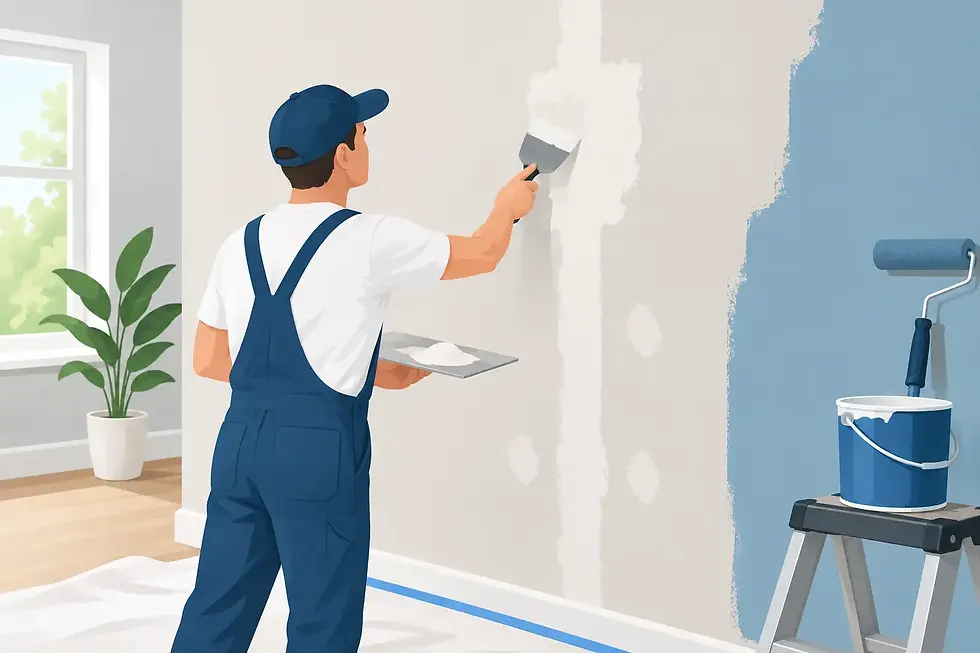
Prep is where quality starts. For interior walls, that may mean patching nail holes, sanding rough spots, caulking gaps, and protecting floors and furniture. For exterior painting, it may include pressure washing, scraping loose paint, sanding, sealing, and addressing mildew or damaged areas.
For cabinets, prep matters even more. Ask how surfaces are cleaned, sanded, and primed before paint is applied. If the answer sounds rushed, the finish may not hold up the way you expect.
3. What type of paint and products do you recommend for this project?
A trustworthy contractor should explain why a certain product fits your space. Interior walls, exterior siding, trim, and kitchen cabinets all have different performance needs. In kitchens and bathrooms, durability and cleanability matter. Outside, the product needs to stand up to heat, humidity, and weather.
This is not about memorizing paint chemistry. It is about making sure the recommendation matches the use of the space, not just the cheapest option available.
4. Who will actually be doing the work?
Some companies use in-house crews. Others rely heavily on subcontractors. Neither model is automatically wrong, but you should know who will be in your home and who is responsible for the final result.
Ask whether the crew is trained, supervised, and consistent from project to project. Homeowners often assume the person giving the estimate will stay involved. Sometimes that happens. Sometimes it does not. It is better to know upfront.
5. Are you licensed and insured?
This question is basic, but it matters. A professional painting contractor should be able to explain their coverage and provide proof if needed. Insurance protects you if property damage or an accident happens during the job.
It is also a sign of professionalism. Contractors who run an organized business tend to bring that same level of care to scheduling, communication, and jobsite cleanup.
6. Can you walk me through your process from start to finish?
This is one of the best questions to ask a painting contractor because it reveals how organized they are. You want to hear a clear sequence: estimate, scheduling, color confirmation, prep, painting, inspection, touch-ups, and final walkthrough.
A good answer should also include what you can expect as the homeowner. Will you need to move furniture? How will they protect counters, floors, and landscaping? What happens if they uncover hidden damage or extra repairs?
7. How long will the project take?
Time matters, especially for busy households. Ask not only for a start date and estimated completion date, but also whether those dates are realistic based on crew size and current workload.
The shortest timeline is not always the best one. A rushed cabinet project, for example, may not allow enough time for proper prep or curing. A reliable contractor should be honest about what the job requires.
8. How do you handle changes or unexpected issues?
Even well-planned jobs can shift. You may decide to add trim, change a color, or repair damaged drywall once the project begins. Exterior jobs can also reveal wood rot or other surface problems.
Ask how change orders are communicated and priced. You want a contractor who discusses surprises before moving forward, not after the invoice is written.
9. What kind of communication should I expect during the job?
Many homeowner frustrations come down to poor communication, not paint itself. Ask who your main point of contact will be and how updates are shared. Will someone check in daily? Will you be notified if the schedule changes? How quickly can you expect a response to questions?
A contractor who communicates well before the job starts is more likely to stay responsive during the project too.
10. Do you offer a warranty or stand behind your work?
A warranty should be clear and realistic. Ask what is covered, what is not, and how warranty concerns are handled if something comes up after completion. Paint can fail for different reasons, and some issues are tied to surface condition rather than workmanship alone.
The goal is not to chase a dramatic promise. It is to understand whether the company is committed to making things right if there is a legitimate problem.
11. Can I see examples of similar work?
Photos of completed projects can be helpful, but ask for examples that match your own needs. If you are painting kitchen cabinets, look for cabinet projects, not just walls and exteriors. If you are repainting a weather-worn exterior in Florida, experience with heat and moisture matters.
This gives you a better sense of the contractor's finish quality and whether they regularly do the kind of work you need.
12. What happens at the end of the project?
The final phase matters more than many homeowners expect. Ask whether there is a walkthrough, a punch list, and a final cleanup process. You should know how touch-ups are handled and when final payment is due.
A strong contractor does not treat the last coat as the finish line. They make time to confirm you are satisfied and that the space is left clean and ready to enjoy.
Questions to ask a painting contractor for cabinet painting
Cabinet painting deserves extra attention because it is one of the most detail-sensitive services in the home. A kitchen can look completely refreshed without a full remodel, but only if the finish is smooth, durable, and properly cured.
If cabinets are your priority, ask whether the doors and drawer fronts are removed, how they are labeled, where they are finished, and what steps are taken to reduce dust in the final coating. You should also ask how long the curing process takes before normal use. Cabinets can feel dry before they are fully hardened, and that distinction matters.
This is where a specialist often stands apart from a general painter. Experience with cabinet systems, surface prep, and finishing expectations can make a noticeable difference in both appearance and longevity.
How to compare answers without getting overwhelmed
You do not need to turn every estimate into an interrogation. What you are really looking for is consistency, clarity, and professionalism. Strong contractors tend to answer with confidence, not pressure. They explain their process in plain language, give specifics, and make it easy to understand what you are paying for.
If one quote is much lower than the rest, ask why. It may be a good value, but it may also reflect lighter prep, cheaper materials, fewer coats, or less experienced labor. On the other hand, the highest price is not automatically the best choice either. The best fit is usually the contractor who combines clear communication, thoughtful process, and a scope of work that matches your goals.
For homeowners who want less stress, the estimate experience is often a preview of the project itself. If the contractor listens carefully, answers thoroughly, and treats your home with respect from the first conversation, that is usually a very good sign.
A painting project should leave your home looking better and the process feeling easier than you expected. Asking the right questions at the start is how you give yourself the best chance of that outcome.


Comments