

Residential Interior Painting Cost Explained
Sticker shock usually happens before the first brush ever touches the wall. A homeowner walks through a room thinking, "It just needs fresh paint," then sees an estimate and wonders why the residential interior painting cost is more than expected. The short answer is that paint is only one small part of the job. Most of the cost comes from prep, protection, detail work, and the time it takes to leave a clean, polished finish behind.
If you're planning an interior update in Ocala or the surrounding area, it helps to know what drives pricing before you request estimates. That way, you can compare proposals more confidently and decide where it makes sense to invest.
What affects residential interior painting cost?
The biggest factor is usually the amount of labor involved. A wide-open bedroom with smooth walls and minimal furniture is very different from a kitchen with cabinets, tight corners, heavy use, and surfaces that need extra cleaning.
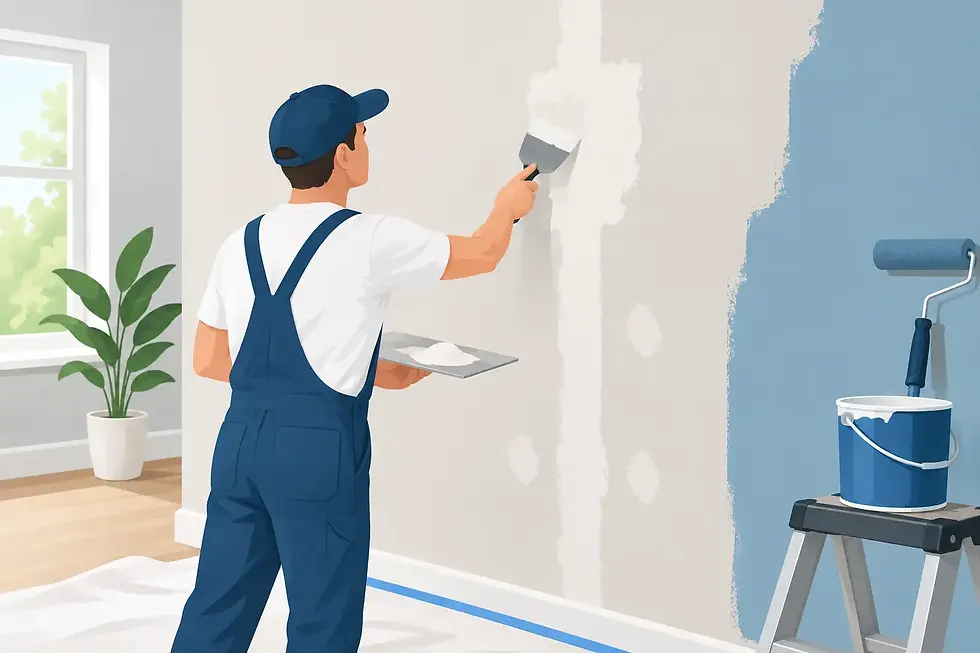
Square footage matters, but it is not the whole story. Painters also look at ceiling height, wall condition, trim detail, the number of doors, and how much masking and protection the home requires. A newer home with clean drywall generally costs less to paint than an older home with nail pops, cracks, stains, or peeling areas that need repair first.
Color change can also influence price. Going from dark paint to a light finish often takes more coats. The same is true when covering strong reds, deep blues, or glossy surfaces. More coats mean more labor and more material.
Then there is access. Empty rooms are faster and easier to paint. Occupied homes with large furniture, delicate décor, or busy family schedules often require more careful staging and more time. That does not mean the work should stop your household, but it does affect the pace and planning of the project.
Typical residential interior painting cost ranges
Most homeowners are looking for a practical range, not a one-size-fits-all number. For standard interior wall painting, many projects are priced either by the square foot, by the room, or by the scope of work. In general, a single average-sized room may cost a few hundred to over a thousand dollars depending on prep needs, trim, ceiling inclusion, and paint quality.
A full interior repaint for a typical single-family home can range from several thousand dollars to well beyond that if the home is large, detailed, or in need of extensive prep. Homes with high ceilings, lots of crown molding, built-ins, or multiple accent colors tend to land on the higher end.
Trim, doors, and ceilings are often priced separately or added as line items because they involve different materials and more precision. Cabinet painting is also in its own category. It is not priced like wall painting because the process is more specialized and finish-driven.
That is why two estimates for homes with similar square footage can look very different. One may include basic wall painting only, while another includes patching, trim, ceilings, doors, and premium products.
Room-by-room pricing works differently than you might expect
Bedrooms, living rooms, bathrooms, kitchens, and hallways all present different challenges. A small bathroom can sometimes cost more per square foot than a larger bedroom because it has more cutting in, more fixtures to work around, and less open wall space.
Kitchens are another example. If you are painting only the walls, pricing may stay fairly straightforward. If you also want the cabinets painted, the scope changes completely. Cabinet painting usually involves cleaning, sanding, priming, careful product selection, and controlled application for a smooth finish. It takes more time, but it also creates one of the most noticeable visual upgrades in the home.
Hallways, stairwells, and entry areas can also raise the cost because they often require ladders, more setup, and extra care in high-traffic spaces. These areas may not seem large on paper, but they can be some of the trickiest sections of the house to paint well.
Prep work is where much of the value lives
When homeowners compare estimates, prep is one of the easiest places to miss important differences. A lower price can sometimes mean less patching, less sanding, less caulking, or fewer protective measures for floors and furnishings.
Good prep is what helps the finished paint job look crisp and last longer. That includes filling dents and holes, addressing minor drywall flaws, sealing stains, sanding rough areas, protecting surfaces, and creating clean transitions at trim lines and corners.
In homes with previous DIY paint jobs, smoke stains, water marks, or uneven textures, prep can take a surprising amount of time. It is not glamorous work, but it has a major effect on the final result. If a quote seems unusually low, it is worth asking exactly what prep is included.
Paint quality changes cost, but labor usually matters more
Many people assume the price difference comes mostly from the paint itself. In reality, labor is often the larger part of residential interior painting cost. Paint quality still matters, especially in busy areas like kitchens, bathrooms, hallways, and kids' rooms, but upgrading products usually does not double the project price.
Higher-quality paints can offer better coverage, more washable finishes, and better long-term appearance. That can be worth it if you want the walls to hold up well between repaints. On the other hand, not every room needs the most premium product available. A good contractor should help you match the finish and product to how the space is actually used.
Flat, eggshell, satin, semi-gloss, and specialty finishes can also affect pricing slightly. The right sheen depends on the room, lighting, and how much durability you need.
Why cabinet painting changes the budget
Cabinets deserve separate attention because homeowners often compare them to wall painting when they should really think of them as finish carpentry with coatings. The process is more intensive, and the expectations are higher because cabinets are viewed up close every day.
Residential interior painting cost climbs when cabinets are part of the project because there is more disassembly, surface prep, product control, and reinstallation involved. Doors and drawers may need to be removed, labeled, cleaned, sanded, primed, and sprayed or finished with methods that create a smoother look than standard wall application.
The trade-off is that cabinet painting can dramatically change the feel of a kitchen, bathroom, or built-in storage area without the cost of full replacement. For many homeowners, that makes it one of the smartest interior upgrades available.
How to compare estimates without getting lost in the details
The best estimate is not always the cheapest one. It is the one that clearly explains what is included, what is excluded, and how the contractor plans to protect your home and deliver the finish you want.
Ask whether the quote includes walls only or also ceilings, trim, doors, closets, and repairs. Confirm the number of coats, the level of prep, the paint brand or quality level, and whether moving furniture is included. If cabinet painting is part of the project, ask about the prep process and finish method.
Clear communication matters just as much as the price. A dependable contractor should be willing to answer questions in plain language and help you understand where your money is going. That makes it easier to avoid surprises once the job begins.
Ways to keep interior painting costs under control
Budget matters, and a good plan can help without sacrificing the look of the finished project. If the full interior is not in the budget right now, focus first on the rooms that will make the biggest day-to-day difference, such as the kitchen, main living areas, or primary bedroom.
You can also simplify the scope by keeping the same wall color throughout connected spaces, postponing lower-priority rooms, or handling other renovation work before painting begins. Painting after flooring, electrical changes, or cabinet installation usually prevents rework.
It also helps to be honest about priorities. If a beautiful cabinet finish matters most, it may make sense to invest there and keep the rest of the project more straightforward. For many homeowners, that balance creates the best result for the budget.
What a fair painting price should feel like
A fair price should feel clear, not confusing. You should understand what is being painted, how surfaces will be prepared, what type of finish to expect, and how the crew will treat your home while the work is underway.
That is especially important in occupied homes, where trust and communication shape the whole experience. A well-run painting project should leave your rooms refreshed without making the process feel harder than it needs to be.
If you're gathering estimates, take the time to look beyond the number at the bottom of the page. The right project cost is the one that matches your goals, respects your home, and gives you confidence before the first gallon is opened. For many homeowners, that peace of mind is just as valuable as the new color on the walls.


Comments