

Exterior Painting That Holds Up in Florida
A fresh exterior can make a home feel cared for again, but exterior painting is about much more than color. In Florida, a painted surface faces strong sun, sudden rain, humidity, mildew, and constant temperature changes. The quality of the preparation and the materials matters just as much as the finished appearance.
For homeowners, the goal is simple: a beautiful result that protects the home and does not create another project a year or two later. That starts with understanding what a professional exterior paint job should include, when it makes sense to schedule one, and which decisions make the biggest difference over time.
Exterior Painting Starts With Surface Preparation
Paint performs best when it is applied to a clean, dry, stable surface. Skipping this step can lead to peeling, blistering, uneven sheen, and early fading, even when premium paint is used.
A careful project begins with an assessment of the siding, stucco, trim, doors, soffits, and other painted areas. Cracked caulk, rotted wood, chalky paint, mildew, rust stains, and loose material should be identified before color samples ever come out. These issues are not simply cosmetic. Moisture can work its way behind failing paint and cause more extensive repairs later.
Cleaning is especially important in Central Florida. Humidity encourages mildew growth, while dirt, pollen, and airborne residue can keep new coatings from bonding properly. Depending on the surface condition, this may involve a controlled wash, mildew treatment, hand scraping, sanding, and spot priming.
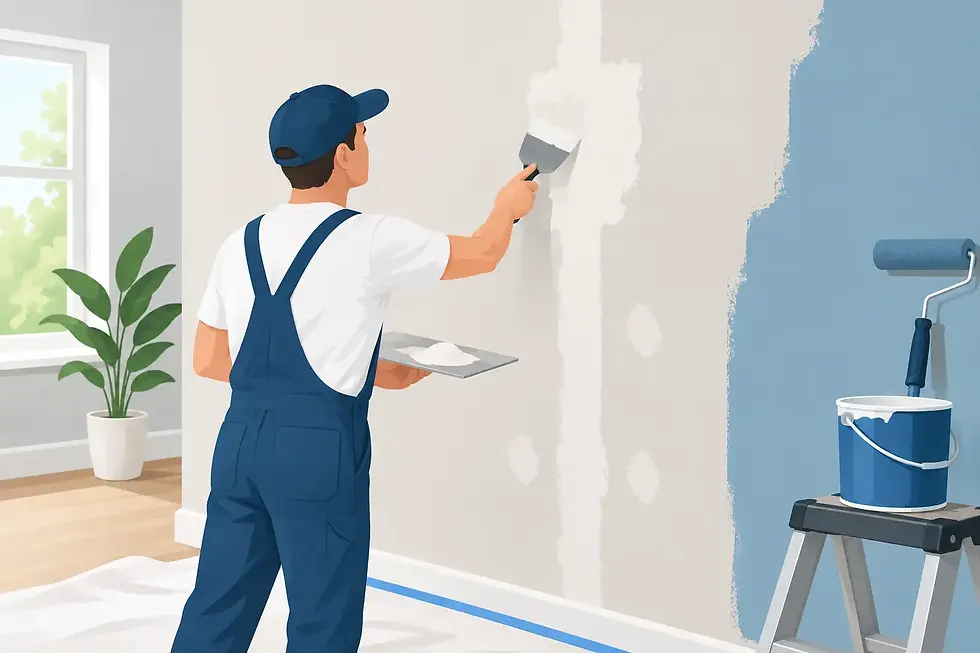
Preparation can feel like the slower part of the job, but it is where lasting results are made. A contractor should protect landscaping, walkways, windows, and outdoor features while addressing the surface conditions that could compromise the finish.
The Right Paint Depends on the Surface
There is no single exterior paint that is right for every house. Stucco, fiber cement, wood, aluminum, and previously painted trim all have different needs. The best coating is one that adheres well to the existing surface, allows for appropriate movement, and stands up to local weather conditions.
For many Florida homes, color retention and mildew resistance are major considerations. Dark shades can create a dramatic look, but they absorb more heat and may fade more noticeably on sun-exposed walls. Lighter colors can help create a cooler visual feel and often make touch-ups less obvious, though the right choice still depends on the home’s style, roofing, stonework, and landscaping.
Trim deserves its own attention. Doors, fascia, shutters, and decorative woodwork often receive more direct exposure than broad wall surfaces. A durable finish in these areas can sharpen the whole appearance of the home, while a worn or peeling trim color can make an otherwise fresh exterior look unfinished.
A professional painter can help narrow down options without making the decision feel overwhelming. Sample colors should be viewed outdoors at different times of day. Florida sunlight can make an undertone appear much warmer, cooler, or brighter than it did on a small paint chip indoors.
Don’t Choose Color in Isolation
The most successful exterior palettes work with the fixed features of the property. Consider the roof color, driveway, brick or stone accents, window frames, and nearby homes. A color that looks appealing on its own may clash with a warm-toned roof or make a shaded entry appear darker than expected.
Many homeowners find that a balanced palette of body color, trim color, and front-door accent provides plenty of character without making future maintenance difficult. If resale is a consideration, neutral body colors with thoughtful contrast often have broad appeal. If the home is a long-term family home, personal preference may carry more weight. Both approaches can work when the colors are tested in the actual light around the home.
Timing Matters for Exterior Painting
Florida weather does not always follow a convenient schedule. Rain, high humidity, and surface moisture can affect when painting can be completed safely. That does not mean exterior projects need to wait for perfect weather, but they do require planning and flexibility.
Before paint is applied, surfaces need enough time to dry after cleaning or rain. Quality paint products also have temperature and humidity guidelines that should be followed. Applying paint outside those conditions can interfere with adhesion and cure time, which is one reason a careful contractor watches the forecast rather than rushing to finish a daily checklist.
The best time for your project depends on the home’s condition, your schedule, and the weather pattern at the time. If peeling paint, exposed wood, or failed caulk is allowing moisture into the exterior, waiting too long can be more costly than working around a seasonal forecast. On the other hand, if the home is in good condition and the project is primarily cosmetic, there may be more room to schedule around travel, landscaping plans, or other improvements.
What a Smooth Exterior Painting Project Looks Like
A well-managed project should not leave homeowners guessing about what happens next. Clear communication is one of the most valuable parts of hiring a professional, particularly when weather affects the schedule.
Before work begins, the scope should be easy to understand. That includes the areas being painted, the preparation expected, repair items that may be needed, paint selections, and the general project timeline. If a hidden issue appears after preparation begins, such as wood rot beneath peeling paint, it should be discussed clearly before moving forward.
During the project, good site care makes a real difference. Plants, patio furniture, vehicles, and outdoor living areas should be treated with respect. At the end of each day, the property should remain orderly and safe to use. Painting can be disruptive for a short time, but it does not need to feel chaotic.
Final walkthroughs are equally important. A polished result involves checking for missed areas, inconsistent coverage, paint on unintended surfaces, and details around trim, fixtures, and transitions. Homeowners should have the opportunity to look closely and ask questions before the project is considered complete.
Signs It May Be Time to Repaint
Fading alone does not always mean paint has failed, but it can be a sign that a closer inspection is worthwhile. Look for cracking, flaking, peeling, bubbling, bare wood, persistent mildew staining, or caulk that has pulled away from joints. These are common signs that the exterior may no longer be getting the protection it needs.
Pay close attention to high-exposure areas. South- and west-facing walls, trim near rooflines, exterior doors, and areas around gutters often show wear first. Catching problems early may allow for targeted repairs and repainting before moisture causes more serious damage.
It is also reasonable to repaint when the home no longer reflects how you want it to feel. A new color scheme can improve curb appeal, complement an updated roof or landscaping, and make a familiar home feel renewed. The key is pairing that visual improvement with the preparation needed to protect the investment.
Care After the Paint Dries
Exterior paint is durable, not maintenance-free. A gentle annual rinse can help remove dirt and pollen before buildup becomes difficult to clean. Keep sprinklers from constantly hitting painted walls, trim back plants that trap moisture against the house, and address roof or gutter issues promptly.
Small touch-ups can be useful, but they work best when the original paint color, sheen, and product are documented. Store leftover paint properly and label it with the area where it was used. For larger peeling or moisture-related issues, it is better to identify the cause rather than simply paint over the symptom.
Your home’s exterior is the first line of defense against the elements and the first thing guests notice when they arrive. With careful preparation, appropriate materials, and clear communication throughout the process, a fresh finish can bring lasting protection and a welcoming sense of pride every time you pull into the driveway.


Comments