

How to Estimate a Painting Project Timeline
A fresh coat of paint can make a room feel finished quickly, but the work behind that finished look takes planning. Knowing how to estimate painting project timeline needs before work begins helps you arrange your household, set realistic expectations, and avoid rushing the details that protect your investment.
For most homes, the actual paint application is only one part of the schedule. Preparation, drying time, repairs, furniture movement, weather, and the condition of the surfaces all affect when a project can truly be called complete.
Start With the Scope of the Project
The best timeline begins with a clear picture of what is being painted. A single bedroom with clean walls and minimal furniture may take a day or two. Painting an entire interior, exterior, or kitchen cabinet system requires a more detailed schedule because there are more surfaces, more preparation, and more opportunities for conditions to change.
Count the rooms or exterior areas involved, but also look at what each space includes. Walls are generally more straightforward than ceilings, trim, doors, shutters, railings, or cabinetry. A room with crown molding, baseboards, built-ins, and several doors has many more finish surfaces than an open room with walls alone.
For cabinet painting, the timeline should account for doors and drawer fronts separately from cabinet boxes. Proper cabinet work often includes cleaning, degreasing, sanding, priming, painting, and curing between stages. That process takes longer than simply changing wall color, but it is what creates a smooth, durable finish for one of the most used areas of the home.
How to Estimate a Painting Project Timeline by Phase
A reliable estimate separates the work into stages instead of treating it as one block of time. This gives homeowners a more accurate view of what will happen each day and why some steps cannot be rushed.
Inspection and color planning
Before painting begins, a contractor needs to inspect the surfaces and confirm the scope. This is when hidden concerns often appear: hairline cracks, peeling paint, water stains, wood damage, nail pops, caulk failure, or cabinet doors with heavy grease buildup.
Color selection can also affect the schedule. Dramatic color changes, deep shades, bright whites, and certain reds or yellows may require additional coats for even coverage. Choosing colors before the project is scheduled helps prevent avoidable delays.
Surface preparation
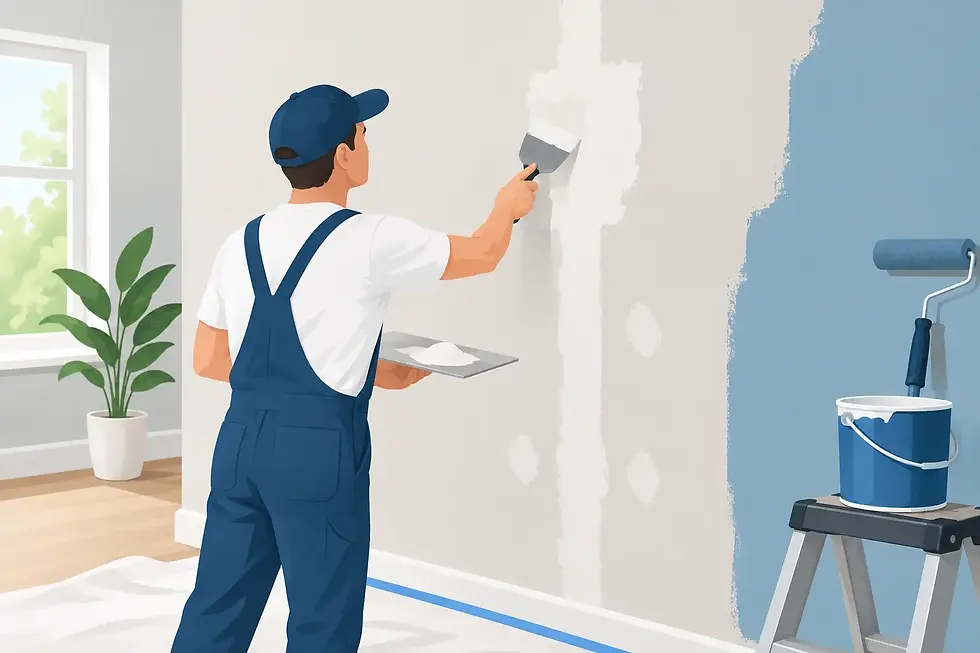
Preparation is where a lasting paint job begins. Interior prep may include protecting floors and furniture, patching wall damage, sanding rough areas, caulking trim, and spot-priming repairs. Exterior prep can involve washing, scraping loose paint, sanding, sealing gaps, and replacing or repairing damaged materials.
This stage can take as long as painting itself, especially in older homes or spaces that have not been updated in years. It may feel slow from the homeowner's perspective, but thorough prep is the difference between a polished result and a finish that shows flaws too soon.
Priming, painting, and dry time
Once surfaces are ready, primer may be needed to cover stains, improve adhesion, or create a consistent base for a major color change. Then come the finish coats. Most surfaces need at least two coats for uniform color and dependable coverage.
Drying time must be built into the schedule. Paint may feel dry to the touch within a few hours, but that does not always mean it is ready for another coat, furniture replacement, or regular use. Temperature, humidity, ventilation, and paint type all influence drying and curing.
In Florida, humidity and afternoon rain can be especially important for exterior work. Professional painters watch the forecast closely and plan around weather windows rather than applying paint when conditions could compromise the finish.
Final details and walkthrough
A project is not finished when the last coat is applied. Remove coverings too quickly, and fresh paint can be damaged. Reinstalling outlet covers, moving furniture back, rehanging doors, cleaning the space, and completing touch-ups all need time.
A final walkthrough gives you the opportunity to review the work with your painter and address any remaining concerns. This is also when you can ask about cure times and when it is safe to clean walls, close cabinet doors fully, or return outdoor furniture to painted areas.
Typical Timelines for Common Residential Projects
Every home is different, but broad ranges can help with early planning. A standard bedroom or small living area may take one to two days when surfaces are in good condition. A larger interior project involving several rooms, ceilings, trim, and doors may take several days to a full week or more.
Exterior painting often ranges from several days to two weeks, depending on the home's size, the amount of prep required, the number of stories, and weather conditions. An exterior with peeling paint, damaged trim, or detailed architectural features will need more time than a newer home with sound surfaces.
Cabinet painting is usually best planned as a multi-day project. Kitchens vary widely, but homeowners should expect time for careful preparation, coating, drying, and reassembly. The kitchen may remain usable in a limited way during portions of the work, though it is wise to plan simple meals and keep frequently used items accessible elsewhere.
These ranges are helpful starting points, not promises. A professional estimate should be based on your home rather than a generic timeline.
Factors That Commonly Add Time
The most accurate schedule includes room for normal variables. Surface condition is one of the biggest. Walls with extensive repairs or cabinets with years of cooking residue need additional labor before paint can adhere correctly.
Access matters, too. Rooms filled with furniture require more protection and moving time. Exterior areas with tall peaks, landscaping near the walls, or difficult-to-reach trim may require extra setup. If homeowners are completing other remodeling work at the same time, coordinating trades becomes another scheduling consideration.
Weather is the major variable for outdoor projects. Rain, high humidity, wind, and temperature changes can delay exterior preparation or painting. A dependable contractor does not force exterior paint work simply to meet an arbitrary date. Protecting the finish is more valuable than finishing a few hours earlier.
Material availability can also affect a project, particularly when a specific paint product, specialty primer, replacement hardware, or repair material is needed. Confirming these details early keeps the project moving once work begins.
Plan Your Home Around the Work
A painting schedule is easier when your household knows what to expect. Before interior work starts, remove small personal items, clear wall décor, and identify rooms that need to remain accessible for children, pets, work, or sleep. Your painting contractor can explain what they will move and protect, as well as what you should handle ahead of time.
For exterior projects, keep vehicles away from work areas, secure pets, and let the crew know about gates, sprinklers, or access needs. If you are planning a gathering, move-in date, or other major event, mention it during the estimate. A good schedule considers your life, not just the paint itself.
It is also smart to leave a little flexibility after the anticipated completion date. Freshly painted walls and cabinets deserve time to cure before heavy cleaning, frequent scrubbing, or rough use. The project may look complete, but the finish is still gaining durability.
Questions to Ask Before You Schedule
A clear conversation up front prevents most timeline confusion. Ask when preparation will begin, how long the active painting is expected to take, and what factors could change the schedule. You should also ask how weather delays are handled for exterior work and whether you will be able to use key rooms during the project.
For cabinet painting, ask how doors and drawers will be managed, whether hardware will be removed, and how long the cabinets should cure before normal use. These details help you plan without guessing.
At Eventide Painting Company, personalized attention starts with a clear estimate and continues through the final walkthrough. The goal is not to give you an unrealistically fast date. It is to provide a thoughtful schedule, communicate along the way, and deliver a finish you can enjoy.
The right timeline leaves room for careful preparation, proper drying, and the final details that make your home feel truly refreshed. When those steps are planned well, the temporary inconvenience of painting becomes a much easier part of creating a space you love.


Comments